A Complete Parent’s Guide to Raising Curious, Confident, and Creative Toddlers Through Play-Based Learning
Introduction: Why Learning Through Play Matters More Than Ever
The toddler years are some of the most important stages of human development. Between ages 1 and 4, children experience rapid growth in language, motor skills, emotional awareness, and cognitive ability. As parents and caregivers, one of the most powerful ways to support this growth is by encouraging learning through play.
Play is not “just fun” for toddlers—it is how they explore the world, understand relationships, solve problems, and express emotions. Research consistently shows that play-based learning activities for toddlers improve brain development, attention span, creativity, and confidence.
In today’s busy world, many parents search for educational activities for toddlers at home that are effective, affordable, and easy to implement. This comprehensive guide provides exactly that—engaging, age-appropriate, and developmentally rich learning ideas that transform everyday moments into powerful educational experiences.
What Is Play-Based Learning for Toddlers?
Play-based learning is an approach where children learn through exploration, hands-on experiences, and imaginative play rather than formal instruction. For toddlers, play is the primary way they make sense of the world.
Key Benefits of Learning Through Play
Enhances brain development
Improves language and communication skills
Builds fine and gross motor skills
Encourages emotional regulation
Develops problem-solving abilities
Boosts creativity and imagination
When toddlers play, they are actively learning—even if it doesn’t look like a traditional lesson.
How to Create a Learning-Friendly Play Environment at Home
Before diving into activities, it’s important to set up an environment that supports learning through play.
Tips for an Effective Play Space
Keep toys organized and accessible
Rotate toys to maintain interest
Allow open-ended toys (blocks, puzzles, art supplies)
Create quiet and active play zones
Encourage independence and exploration
A well-prepared environment invites curiosity and allows toddlers to take ownership of their learning.
1. Sensory Play Activities for Toddler Brain Development
Sensory play involves activities that stimulate a child’s senses—touch, sight, sound, smell, and taste. These experiences are crucial for brain development and emotional regulation.
Easy Sensory Play Ideas at Home
Sensory bins with rice, beans, or pasta
Water play using cups, sponges, and containers
Playdough exploration with tools and textures
Sound bottles made with household items
Skills Developed
Fine motor coordination
Focus and attention
Vocabulary development
Emotional calming and regulation
2. Language & Communication Games for Toddlers
Language development is one of the most important milestones in early childhood. Play-based language activities naturally encourage toddlers to talk, listen, and express themselves.
Fun Language-Building Activities
Reading picture books together
Singing nursery rhymes and action songs
Pretend play with dolls or animals
Naming objects during daily routines
Tips to Boost Language Through Play
Ask open-ended questions
Repeat and expand your child’s words
Narrate activities during play
Be patient and responsive
These simple activities dramatically improve vocabulary, sentence formation, and listening skills.
SEO Keywords Used: toddler language development activities, learning through play for toddlers, educational games for toddlers at home
3. Fine Motor Skill Activities Using Everyday Items
Fine motor skills involve small muscle movements in the hands and fingers, essential for writing, self-feeding, and independence.
At-Home Fine Motor Play Ideas
Sorting buttons or coins (with supervision)
Threading pasta onto strings
Building with blocks or LEGO-style toys
Using clothespins to clip objects
Skills Developed
Hand-eye coordination
Finger strength
Concentration
Problem-solving
Fine motor play prepares toddlers for school readiness while keeping learning fun and stress-free.
4. Gross Motor Activities for Physical & Cognitive Growth
Toddlers need movement to grow strong bodies and sharp minds. Physical play supports balance, coordination, and emotional well-being.
Indoor & Outdoor Gross Motor Activities
Obstacle courses using pillows and chairs
Dancing to music
Ball rolling and kicking games
Jumping, climbing, and crawling challenges
Why Movement-Based Learning Matters
Strengthens muscles and bones
Improves coordination and spatial awareness
Enhances confidence and independence
5. Creative Play: Art, Music, and Imagination
Creative play allows toddlers to express emotions, develop imagination, and explore new ideas freely.
Creative Learning Activities
Finger painting and drawing
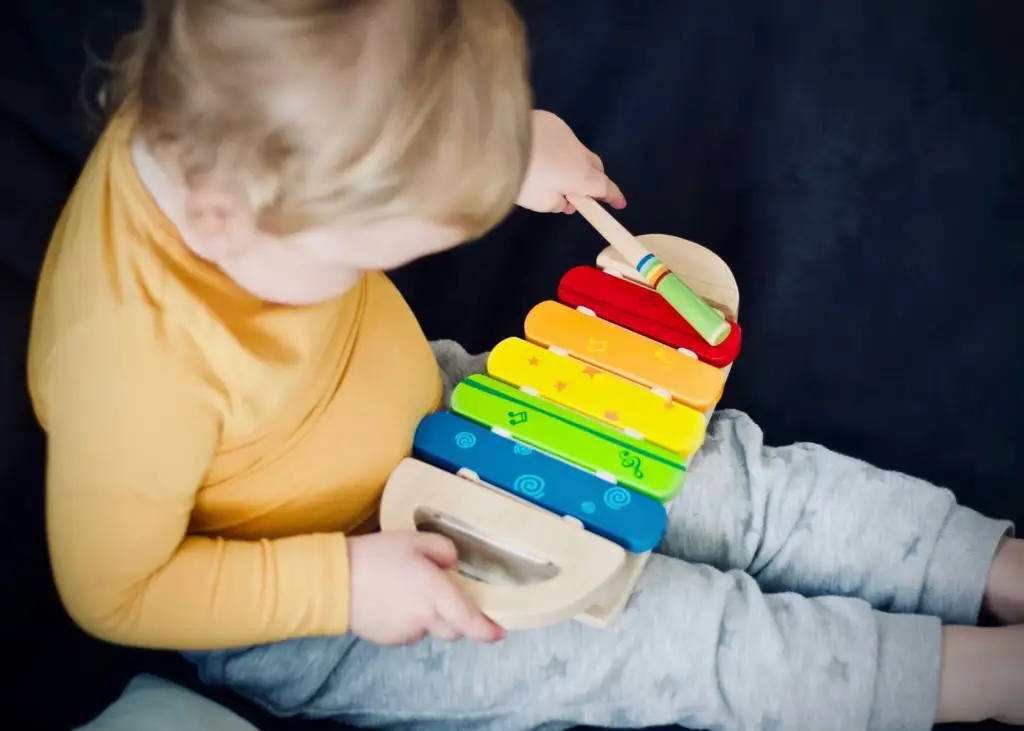
Playing simple musical instruments
Role-play games (kitchen, doctor, shop)
Storytelling with pictures
Benefits of Creative Play
Emotional expression
Confidence building
Cognitive flexibility
Problem-solving skills
There is no “right” or “wrong” in creative play—only exploration and joy.
6. Early Math & Problem-Solving Through Play
Math skills can be introduced naturally during everyday play.
Simple Math-Based Play Ideas
Counting toys during cleanup
Sorting objects by color or size
Puzzle-solving activities
Measuring ingredients while cooking
These playful experiences lay the foundation for logical thinking and numerical understanding.
7. Social & Emotional Learning Through Play
Play helps toddlers understand emotions, develop empathy, and build relationships.
Social-Emotional Play Ideas
Turn-taking games
Pretend play with emotions
Playing with siblings or parents
Talking about feelings during play
Skills Developed
Emotional awareness
Self-regulation
Cooperation
Confidence
These skills are just as important as academic learning.
How Much Play Is Enough for Toddlers?
Experts recommend at least 3–4 hours of active play per day, including both structured and unstructured play. The goal isn’t constant stimulation but meaningful engagement.
Balanced Play Includes
Independent play
Parent-guided play
Physical movement
Quiet creative activities
Common Mistakes Parents Make (and How to Avoid Them)
❌ Over-scheduling activities
❌ Expecting “perfect” outcomes
❌ Interrupting play too often
❌ Relying heavily on screens
✅ Instead, allow freedom, follow your toddler’s lead, and focus on the process—not the result.
Final Thoughts: Play Is the Best Teacher
Encouraging learning through play at home doesn’t require expensive toys or strict lesson plans. It requires presence, patience, and creativity. When toddlers are allowed to learn through play, they develop not only academic skills but also confidence, curiosity, and joy.
By incorporating these educational activities for toddlers at home, you create a nurturing environment where learning feels natural, exciting, and meaningful.
Play today builds the thinkers, leaders, and problem-solvers of tomorrow. 💛
Visit our baby sitting services page for more details about our company